Pages

Tuesday, 13 August 2019

wind power

Weather and Climate Change 

Measuring weather.

Wind

Beaufort
Force
Wind Speed
(KPH)
SpinsIndicatorsTerms Used in NWS Forecasts
00-20Calm; smoke rises vertically.Calm
12-510Shown by direction of wind smoke drift, but not by wind vanes.Light
26-1240Wind felt on face, leaves rustle; ordinary vanes moved by wind.Light
313-2080 Leaves and small twigs in constant motion; wind extends light flag.Gentle
421-29130Raises dust and loose paper; small branches are moved.Moderate
530-39190Small trees in leaf begin to o5sway; crested wavelets form on inland waters.Fresh
640-50250Large branches in motion; whistling heard in telephone wires; umbrellas used with difficulty.Strong
751-61320Whole trees in motion; inconvenience felt walking against the wind.Strong
862-74390Breaks twigs off trees; generally impedes progress.Gale
975-87470Slight structural damage.Gale
1088-101550Seldom experienced inland; trees uprooted; considerable structural damage occurs.Whole gale
11102-116640Very rarely experienced inland; accompanied by widespread damage.Whole gale
12117 or more730+Very rarely experienced; accompanied by widespread damage.Hurricane

Wind speed - Making an anemometer.

Anemometer

MATERIALS

  1. pencils
  2. tape  
  3. straws x4  
  4. pin  
  5. cups x4  

STEPS

  1.   stick the straws together
  2.   then you tape them so they are in the shape of the cross
  3.   stick a pin though them
  4.   stick it to the rubber of the pencil
  5.   stick cups though the straw
Once you have made an anemometer we are going to record the wind speed.

Group size: 5

You will need:

Anemometer (above) 

Roles:


  • Timekeeper
  • Counter
  • Recorder
  • Anemometer Manager
  • Wind generator
  1. Mount the anemometer in a place that has full access to the wind from all directions.
  2. When the time keeper says "Go", the counter in each group will count how many times the marked cup passes them in one minute and write it down.
  3. If possible, repeat the above step four (4) times and record the average number of spins on the chart.

FINDINGS

  • Record how many times it spins using the table below.
You will need to create the wind yourself by blowing. Get 4 different wind speeds by blowing.

You will need to time them and count the number of spins.

Time IntervalNumber of Spins
1.1013
2.1013
3.106
4.1027
  • Can you make a statement connecting the number of spins of your anemometer and the speed of the wind? 

CONCLUSION:

this is a great way to see how fast th ewing is travelling and how strong it is

Biofuels

RENEWABLE ENERGY

Aim: To compare the amount of gas that is produced from different types of biomass.

Material:
  1.   bottles x3
  2.   permanent maker
  3.   disposable  gloves
  4.   cup
  5.   fresh horse manure
  6.   mashed banana
  7.  funnel
  8. water
  9. balloons
  10. vegetables peelings
Steps:


  1. label all bottles
  2. take bottle cap off  
  3. put manure in all bottles    
  4. put mashed banana in one bottle 
  5. and put veges scraps in the another 
  6. then you put some water in it
  7. then you put some balloons over the bottle top 
  8. and then you leave it for twelve days


A picture of three bottles with balloons on top, containing cow manure with vegetable peelings or mashed banana.
Energy science project

Thursday, 8 August 2019

water cycle

AIM: TO LOOK AT THE WATER CYCLE AND HOW CLIMATE CHANGE IS AFFECTING IT.

Definition:

e

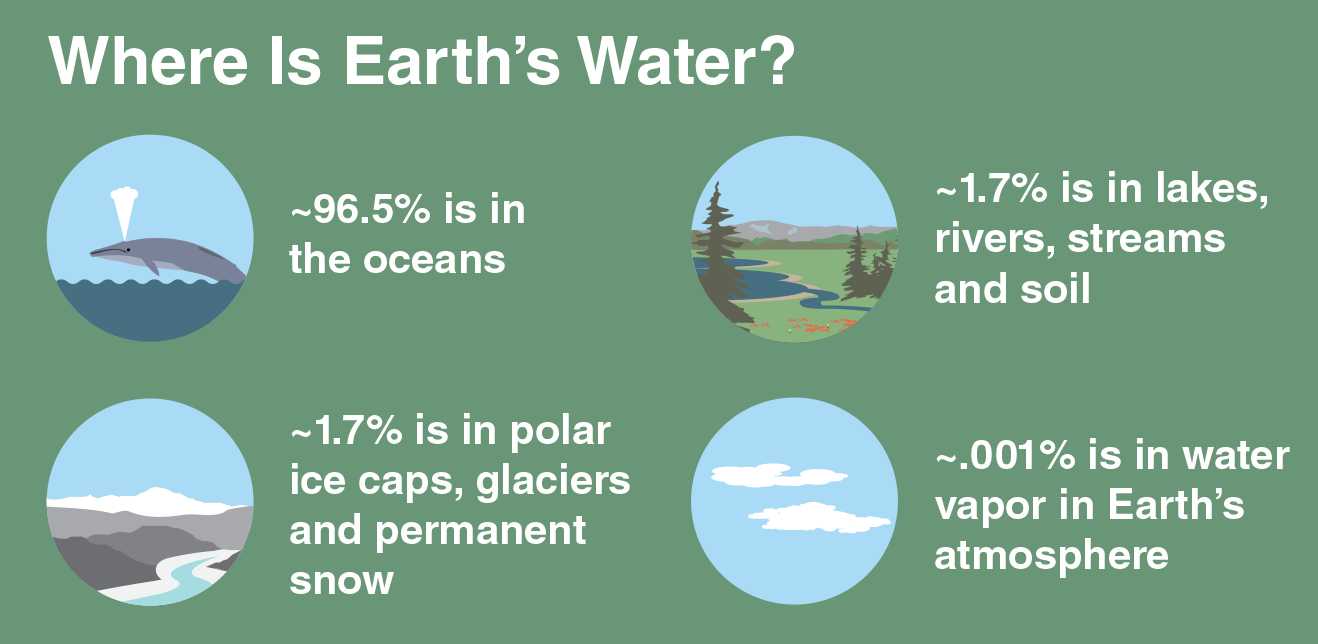
A green box with icons and white text. Text reads: Where is Earth's Water? 96.5 percent is in the oceans; 1.7 percent is in lakes, rivers, streams, and soil; 1.7 percent is in polar ice caps, glaciers, and permanent snow; 0.001 percent is in water vapor in Earth's atmosphere

Scientific words:


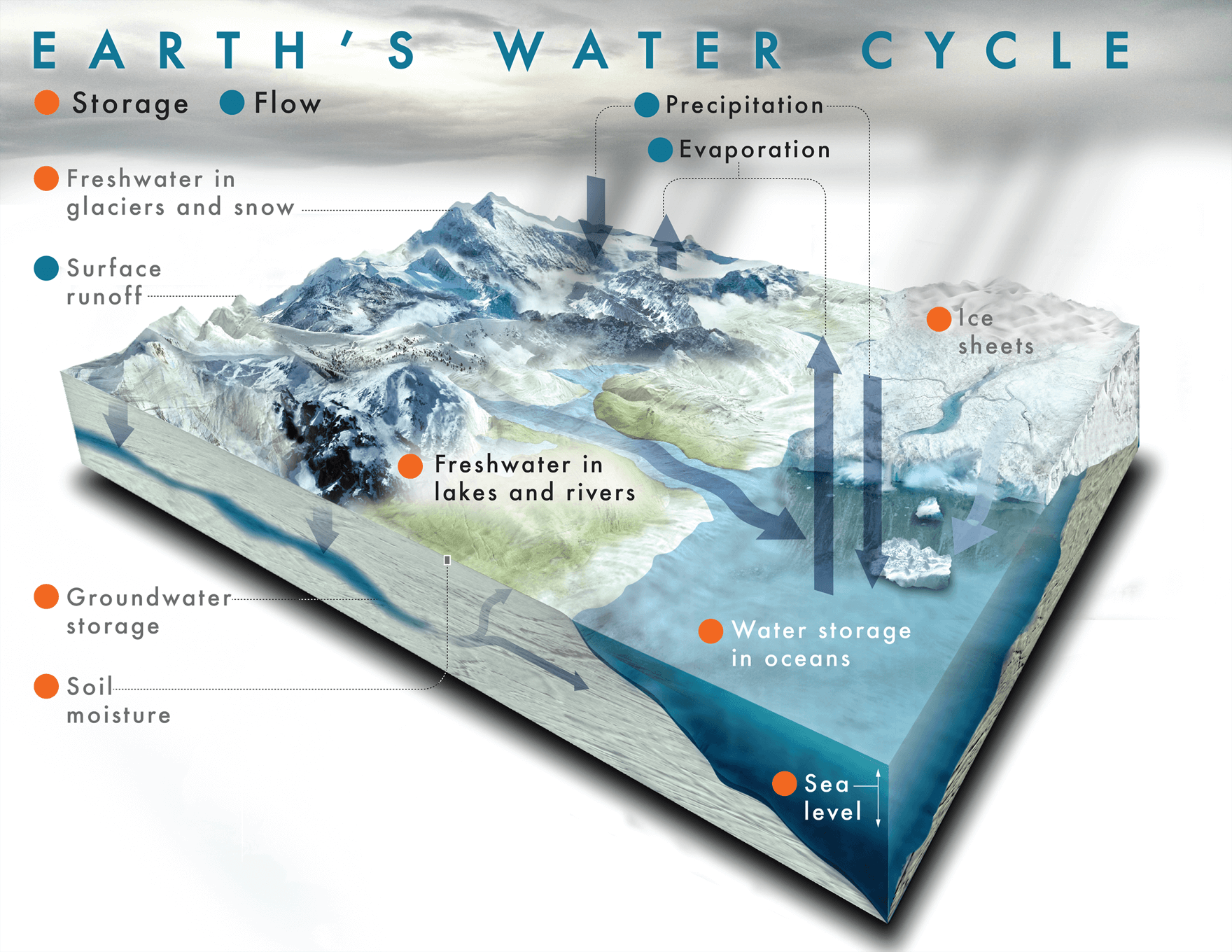
  • Evaporation. When water is heated by radiant energy it turns into water vapor.
  • Transpiration. Evaporation from plants.
  • Condensation. When water vapor cools, molecules join together and form clouds.
  • Precipitation. When clouds get heavy the waters falls as rain, sleet, hail, or snow.

  • Acidification: the action or process of making or becoming acidic.
An illustration of the water cycle showing how water travels from rivers and streams to clouds to snow and back again

THE WATER CYCLE EXPERIMENT

Bag 1: Normal Water cycle
Bag 2: Water cycle with CO2 added: like Oceans in climate change
Bag 3: Water cycle with ice added: like Antarctica in climate change

Material:

  1.  
  2.  
  3.  
  4.   

Steps:

  1.  
  2.  
  3.  
  4.  

Two Images:


Findings:


The Water Cycle: Bag 1
CO2 Water Cycle: Bag 2
Acid
Desert Water Cycle
Bag 3
Does it cycle?


Amount of Water


Acidity


Key: Water and acidity amount: 1 = none 
2 = small 
3 = large 

Other comments:


Conclusion:


Draw a labelled diagram of the Water Cycle

Water cycle words:
  1. Precipitation
  2. Hurricanes
  3. Acid rain
  4. Evaporation
  5. Carbon Dioxide
  6. Water
  7. Deforestation
  8. Water vapour
  9. Transpiration
  10. Flooding


TODAY YOU WILL BE INVESTIGATING THE EFFECTS THAT CLIMATE CHANGE HAS ON THE WATER CYCLE.

  1. Using your SOLO hexagons poster write a paragraph about the different aspects of climate change.
  2. Write about the following Climate Change concepts:
You can do these by powerpoint, embedding a movie , on your blog, on a doc or any other form of presentation. It is up to you.

ACIDIFICATION: HOW DOES CLIMATE CHANGE CONTRIBUTE TO THE ACIDIFICATION OF OUR OCEANS?  

Ocean acidification refers to decreasing levels of pH in the ocean, which makes the sea more acidic


Picture:

Image result for acidification


Diagram of how it affects the water cycle.


DEFORESTATION: HOW DOES DEFORESTATION AFFECT CLIMATE CHANGE?


Picture:


Diagram of how it affects the water cycle.


ICE CAP MELT: HOW DOES ICE CAP MELT AFFECT CLIMATE CHANGE?


Picture:


Diagram of how it affects the water cycle.


WATER VAPOUR: HOW DOES CLIMATE CHANGE CONTRIBUTE TO WATER VAPOUR AND EVAPORATION?


Picture:


Diagram of how it affects the water cycle.


Friday, 2 August 2019

Puberty

WARNING have to be ten or older
Can I discuss Puberty/Create text/Work with others 
Puberty-change/emotions

Skills for slam poetry using voice
                      choral speaking 
                      chorus 

Thursday, 1 August 2019

RENEWABLE ENERGY

Renewable Energy film


Aim: To compare the amount of gas that is produced from different types of biomass.

Material:
  1. (3x) plastic bottle
  2. 3 balloons
  3. permanent marker  
  4. disposable gloves   
  5.  Cup
  6. Fresh horse manure 
  7.   mashed banana 
  8.   funnel 
  9.  water. 
Steps:


  1.  Label the bottles... Horse manure... horse manure and mashed banana... Horse manure vegetable peelings.
  2.  Place one cup of manure in one bottle and fill the bottle and leave a little room in the bottle for air.
  3.  Place one cup of manure in the bottle and add mashed banana and fill with water and leave a little bit of air.
  4. Place the ballons on the 3 bottles.


A picture of three bottles with balloons on top, containing cow manure with vegetable peelings or mashed banana.
Energy science project


Investigation.


Research the following Biomass fuels. You will need to:

Write a definition of fuel.
Write 8 sentences about fuel. 
  • How is it made? 
  • Where is it made? 
  • What is it made with? 
  • What countries use it? 
  • What uses will it have in the future?  
Place 1 image of the fuel.

Biomass Fuel types.

Name Agricultural crops and wood fuels.

Research: Wood biomass is the main source of wood energy in New Zealand. It comes in a number of forms, including firewood, shavings, sawdust, wood chips, agricultural crops and bark.


Name Animal waste.
Definition: Animal poo and wee

Research: Horse manure cow manure...

Image result for horse manure
Image result for cow manure

Name: Biogas
Definition: Gas

Research: gaseous fuel, especially methane, produced by the fermentation of organic matter.


Name: Biofuels
Definition: Natural gases.

Research: vegetable oils and liquid animal fats green diesel derived from algae and other plant sources.